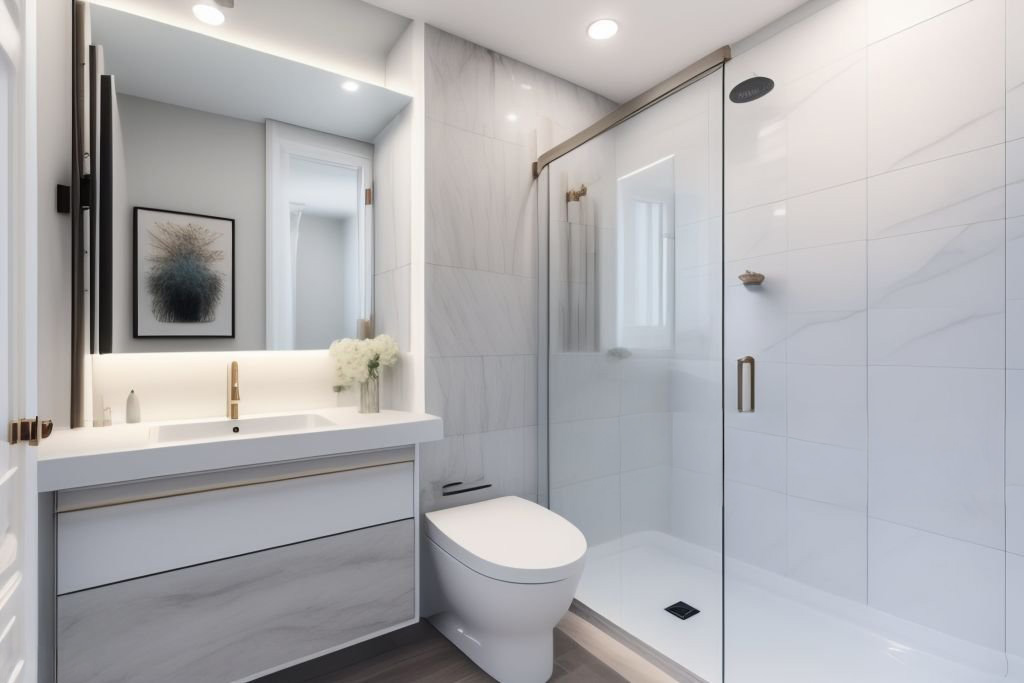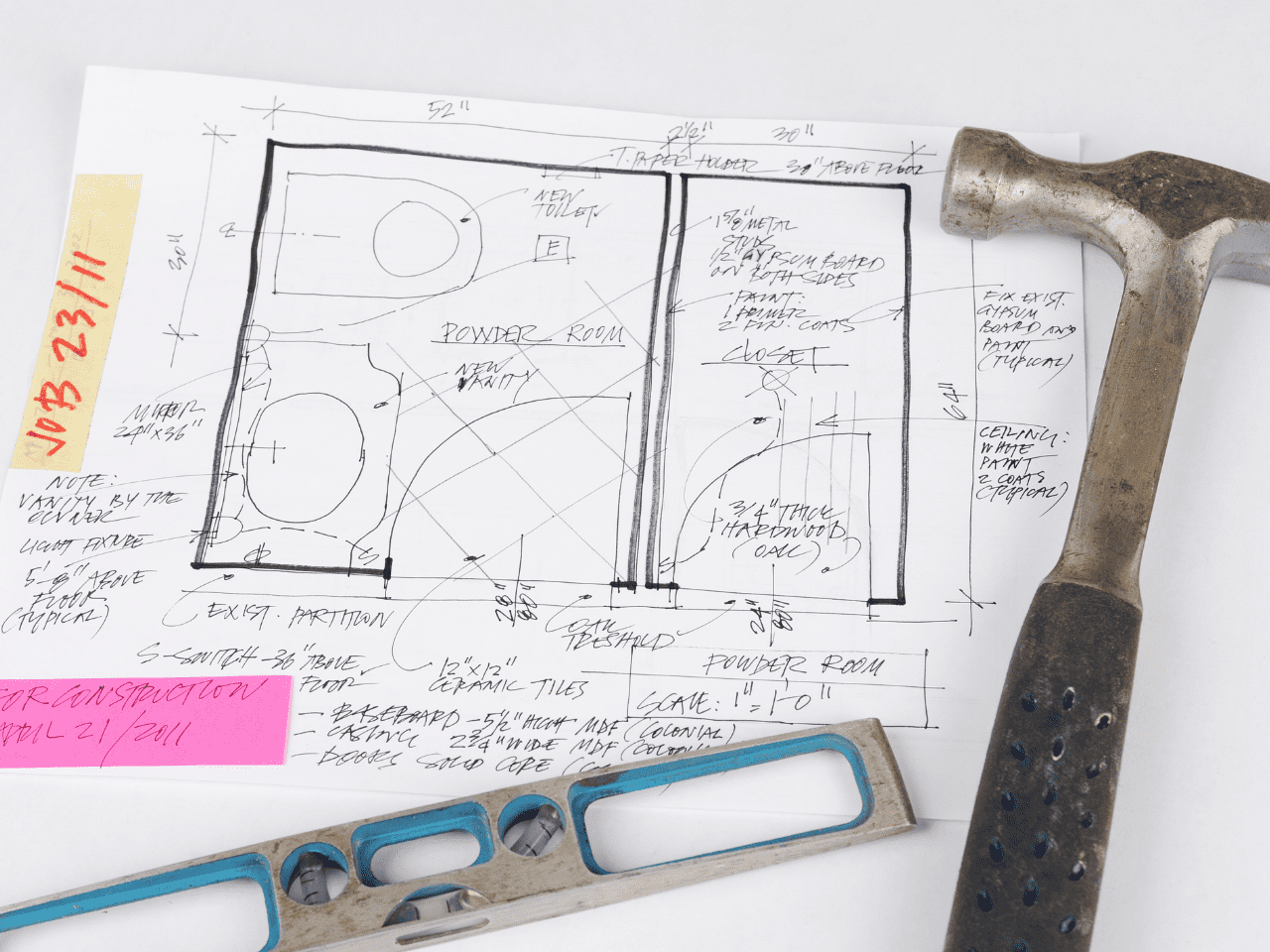
Bathroom renovations are one of the most popular upgrades for Sydney homeowners. A well-designed bathroom improves comfort, increases property value, and modernises older homes. But before tiles, fixtures, and fittings are chosen, the most important decisions happen behind the walls.
The plumbing design of a renovation determines how well the bathroom functions for years to come. Poor planning can lead to drainage problems, water pressure issues, leaks, or expensive rework. Following a clear bathroom renovation plumbing checklist ensures the project runs smoothly and avoids common problems.
Why Plumbing Planning Matters in Bathroom Renovations
Many homeowners focus on visual elements such as tiles, vanities, and tapware. While these features shape the look of the space, the plumbing layout underneath is what makes the bathroom work.
A typical bathroom plumbing system must support water supply, drainage, ventilation, and waterproofing. When these systems are not planned properly, problems often appear later.
For example, relocating a shower might require significant changes to the drainage pipe beneath the floor. If the drainage slope is incorrect, the shower may not drain efficiently.
Working with experienced professionals during the planning stage can prevent these issues. If you’re considering a renovation, it’s worth reviewing our Bathroom Renovations page to understand how plumbing fits into the broader project.
Step 1: Assess Your Existing Plumbing Layout
The first step in any bathroom renovation plumbing checklist is understanding the current plumbing layout.
Many homes across Sydney’s Lower North Shore were built decades ago, and the plumbing infrastructure may not match modern bathroom layouts.
Before finalising renovation plans, a plumber should inspect:
- existing hot and cold water pipes
- drainage pipe locations
- ventilation systems
- pipe condition and materials
Older homes sometimes contain ageing pipes that may need replacement during renovation work.
If leaks or pipe corrosion are already present, they should be addressed early. You can learn more about identifying water issues in our guide to detecting hidden leaks.
Step 2: Plan Fixture Positions Carefully
A bathroom renovation often involves repositioning fixtures such as toilets, showers, and vanities.
However, moving plumbing points significantly increases renovation complexity. For example, relocating a toilet requires modifying the sewer connection beneath the floor.
Keeping fixtures close to their original location can reduce costs and simplify plumbing installation.
When planning your layout, consider:
- drainage pipe location
- floor structure
- available plumbing space
- waterproofing zones
Professional plumbers can advise whether a new layout will work efficiently within the existing plumbing system.
Step 3: Ensure Proper Drainage Design
Drainage is one of the most critical components of bathroom plumbing.
Poor drainage design can result in slow draining showers or water pooling around the bathroom floor.
Professional plumbing planning ensures:
- correct drain placement
- proper pipe sizing
- adequate slope for wastewater
- effective ventilation
Drainage problems often lead to blockages or unpleasant smells. In many cases, these issues can be avoided by designing the plumbing correctly from the start.
If your home has experienced drainage issues previously, you may also benefit from reading about blocked drain solutions.
Step 4: Review Water Pressure and Supply
Modern bathrooms frequently include multiple water outlets such as rainfall shower heads, handheld showers, and freestanding baths.
Each fixture draws water from the plumbing system. If supply pipes are undersized, water pressure may drop when multiple fixtures operate simultaneously.
Upgrading supply lines during renovation helps ensure consistent water flow.
Homes with older plumbing systems may require pipe upgrades to support modern fixtures.
Step 5: Integrate Plumbing with Waterproofing
Waterproofing and plumbing must work together to prevent leaks.
During bathroom renovations, waterproofing membranes are applied before tiling. Plumbing penetrations must be carefully sealed to protect these membranes.
Poor coordination between trades can lead to leaks behind walls or beneath tiles.
Professional plumbers work alongside waterproofing specialists to ensure plumbing penetrations remain sealed and compliant with Australian standards.
If you’re interested in understanding more about waterproofing protection, our article on bathroom waterproofing standards provides additional insights.
Step 6: Choose Fixtures That Match Your Plumbing System
Not all bathroom fixtures are compatible with every plumbing system.
Certain designer tapware and showers require specific water pressure ranges. Installing incompatible fixtures can lead to performance issues.
Before purchasing bathroom fittings, it’s worth confirming compatibility with your plumbing layout.
A qualified plumber can review your selected fixtures and ensure they will operate efficiently.
Step 7: Plan Access for Future Maintenance
While most plumbing is hidden behind walls or under floors, future maintenance should still be considered.
Including access panels allows plumbers to service pipes or valves without removing tiles.
This simple step can prevent major disruption if repairs are required later.
Planning a Bathroom Renovation?
A well-designed plumbing system ensures your bathroom renovation performs reliably for many years.
STS Plumbing works with homeowners across the Lower North Shore to support bathroom renovations, ensuring plumbing layouts, drainage systems, and fixture installations meet professional standards.
Contact STS Plumbing today to discuss your renovation plans and ensure your plumbing is designed correctly from the start.
FAQ – Bathroom Renovation Plumbing
A plumber should inspect existing water supply lines, drainage pipes, ventilation systems, and pipe condition before renovation work begins.
Yes, but relocating plumbing fixtures such as toilets or showers often requires changes to drainage pipes and may increase renovation complexity.
In older homes, pipe upgrades are sometimes necessary to support modern fixtures and maintain adequate water pressure.
Ideally, a plumber should be consulted during the design stage so plumbing layout, drainage, and fixture placement can be planned correctly.